
 LV
 EN
 RU
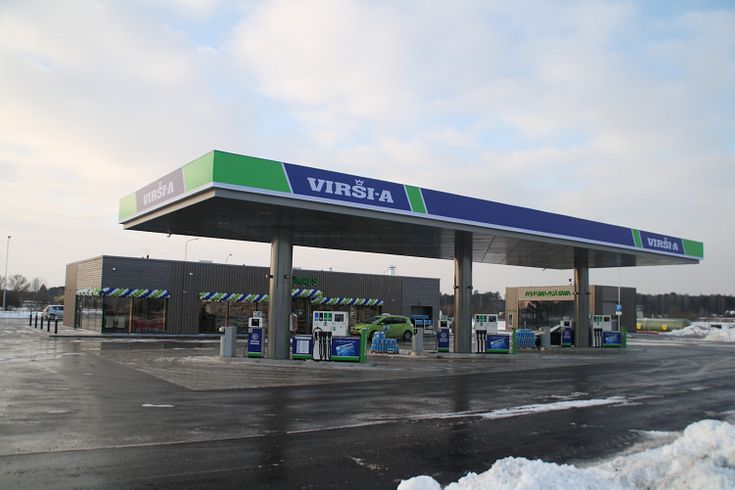
European fuel markets are experiencing unprecedented volatility. Recent airstrikes in Iran by the US and Israel, combined with Qatar halting LNG production, have created immediate pressure on European exchanges. The Dutch TTF gas price rose by 45% to around €46 per MWh, with similar fluctuations in the UK (NBP index).
Latvian fuel stations are not insulated from these changes. Suppliers such as Virši, Circle K, and Neste highlight that fuel prices will depend on multiple factors: exchange rates, global market prices, local competition, and logistics speed.
The Hormuz Strait, through which roughly 20% of global oil and LNG flows, is a critical chokepoint. Any disruption to shipping immediately impacts global markets and, consequently, fuel prices in Latvia.
Ieva Ligere, Executive Director of the Latvian Fuel Traders Association, emphasizes that fuel availability is currently secure. However, rising exchange prices will inevitably pressure retail prices. Exact forecasts are difficult, as they depend on the duration of geopolitical tensions and market reactions.
OPEC+’s decision to increase April production by 137,000 barrels per day is insufficient to stabilize prices if Hormuz Strait transit is disrupted. Experts stress that retail fuel prices are not determined solely by oil prices but also by local competition, taxes, and currency exchange rates.
Practical tips for Latvian drivers:
- Refuel before prices climb further.
- Use fuel calculators to track real costs and find the cheapest stations.
- Follow global market news as price fluctuations can occur within hours.
- Plan routes and fuel consumption efficiently to minimize costs.
This is the time to understand the global market’s impact on everyday fuel prices and plan your budget wisely. Even minor supply disruptions worldwide can immediately affect your wallet.