
 LV
 EN
 RU
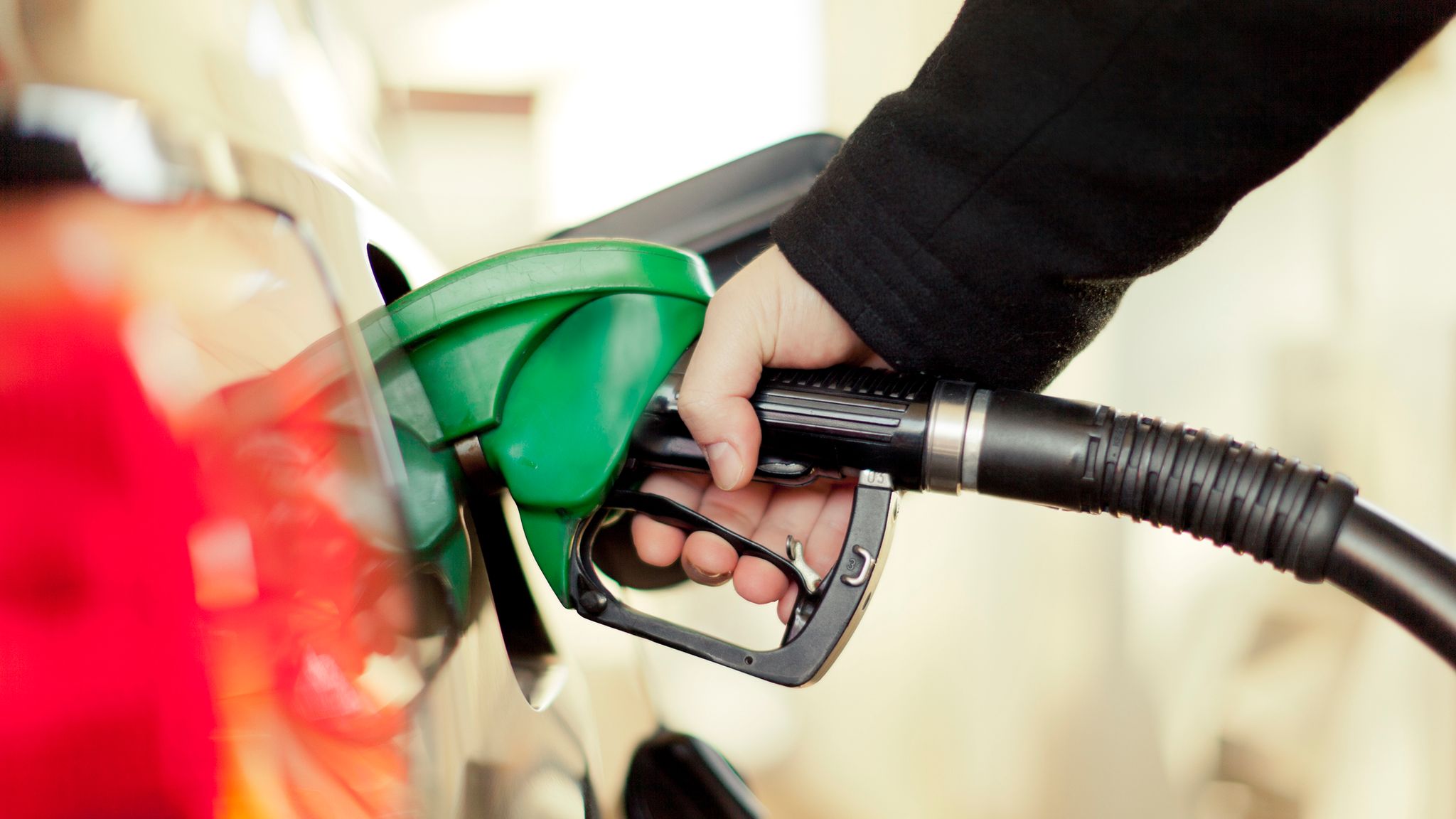
At the beginning of 2026 drivers in Latvia have once again started paying close attention to fuel price changes. Many have noticed that prices at filling stations are changing more frequently than earlier in the winter. This is not a coincidence. Fuel prices in Latvia are not a purely local economic indicator — they are directly linked to global energy markets and international events.
Latvia does not produce crude oil and relies entirely on imported petroleum products from European refineries. This means that even a conflict in another region of the world can influence the price seen at a local gas station within a few days. Recently, the security situation in the Middle East has played an important role. Tensions involving Israel and attacks on commercial shipping in the Red Sea affect one of the world’s key oil transportation routes. Some tankers are forced to travel around Africa, increasing both delivery time and transport costs.
These additional costs do not remain within the oil industry. European refineries pay more for raw materials and logistics, and eventually drivers experience the impact. In Latvia this usually appears with a short delay, which is why price increases often feel sudden even though they are actually the result of earlier global developments.
Another important factor is the policy of oil-exporting countries. The OPEC+ alliance regularly adjusts production volumes to maintain price stability. When production is reduced, market supply tightens and prices rise even before an actual shortage occurs. Oil markets are highly sensitive to expectations and risks, therefore even news about possible supply disruptions can move prices quickly.
At the same time Europe is approaching the spring season, which traditionally increases fuel consumption. Logistics activity rises, construction projects resume and agricultural machinery becomes more active. This particularly affects diesel fuel because it is widely used in freight transport and commercial sectors. For this reason diesel prices in the Baltic region often move faster than petrol prices.
The retail fuel price in Latvia consists of three main elements: the petroleum exchange price, excise duty and value added tax. Taxes remain relatively stable, but the exchange component can change daily. Fuel retailers purchase fuel in advance, therefore global market movements usually appear locally with a delay of three to seven days.
During the coming days moderate fluctuations with a slight upward tendency are likely. A sharp price drop is unlikely because transport costs and supply risks remain elevated. If the geopolitical situation does not worsen, prices may stabilize, although spring traditionally brings somewhat higher fuel prices compared to winter.
Overall, fuel prices in Latvia should be viewed as a reflection of the global economy. The most practical approach for drivers is to monitor price changes and refuel when short-term decreases appear after new weekly deliveries.